Green Economy Certifications: Boost Your Earnings by 15%
Discover the top 7 high-demand green economy certifications poised to significantly boost your earnings within 18 months. This guide outlines pathways to upskill for a thriving sustainable career.
By: Michael Sete on August 22, 2026
Última atualização em: agosto 24, 2026
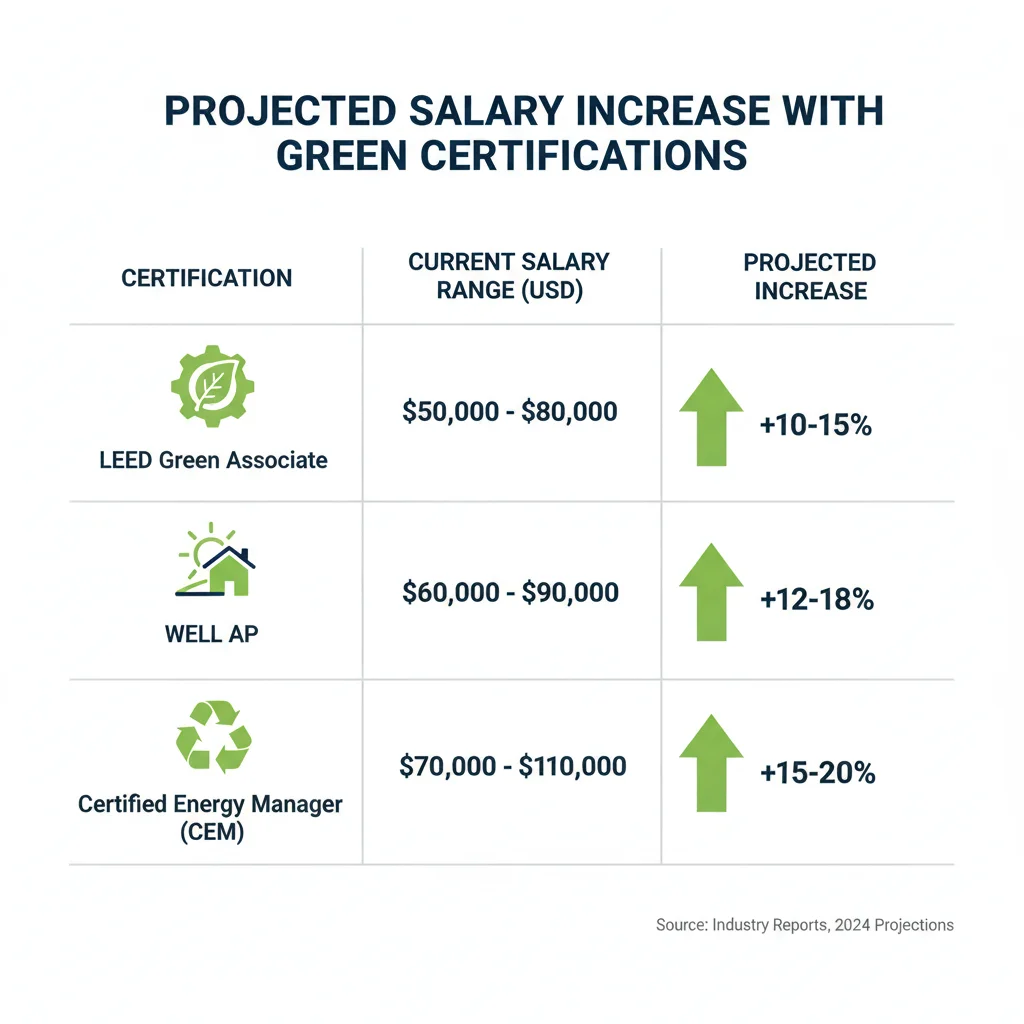
The global economy is rapidly shifting towards sustainability, creating an unprecedented demand for skilled professionals in various green sectors. This transition isn’t just about environmental responsibility; it’s also about significant economic opportunity. For individuals looking to advance their careers and secure their financial future, investing in green economy certifications is a smart move. These specialized qualifications can significantly boost your earning potential, with many experts projecting an average increase of 15% in the next 18 months for those with the right credentials.
As industries worldwide embrace eco-friendly practices and technologies, the need for expertise in areas like renewable energy, sustainable construction, and environmental management continues to grow. This article will explore seven high-demand green economy certifications that are currently making waves in the job market. We’ll delve into what each certification entails, why it’s valuable, and how it can help you thrive in this exciting new economic landscape, ensuring you are well-equipped for the future.
Renewable Energy Professional Certifications
The renewable energy sector is experiencing explosive growth, driven by global commitments to reduce carbon emissions and achieve energy independence. This expansion creates a vast array of job opportunities for individuals with specialized knowledge in solar, wind, geothermal, and hydroelectric power. Obtaining a professional certification in renewable energy demonstrates a deep understanding of these complex systems, from design and installation to maintenance and project management. Employers actively seek candidates who can prove their competence in these critical areas, making certification a powerful differentiator in a competitive job market.
These certifications often cover technical skills, safety protocols, and regulatory compliance, ensuring that certified professionals can contribute effectively and responsibly to renewable energy projects. As more countries and corporations set ambitious renewable energy targets, the demand for certified experts will only intensify. This makes it an incredibly opportune time to invest in your skills in this field, potentially leading to substantial career advancement and higher salaries as the industry matures and expands even further.
Key Renewable Energy Certifications
NABCEP Certification (North American Board of Certified Energy Practitioners): Widely recognized for solar photovoltaic (PV) and solar heating professionals, covering design, installation, and sales.
IREC Credentialing (Interstate Renewable Energy Council): Offers various certifications for clean energy professionals, focusing on quality and safety standards across different renewable technologies.
Wind Energy Technology Certification: Programs focusing on the installation, maintenance, and repair of wind turbines, a critical skill set in a rapidly expanding industry.
Certified Energy Manager (CEM): While broader, this certification often includes significant components of renewable energy integration and energy efficiency, making it highly relevant.
These certifications not only validate your expertise but also connect you to a network of industry professionals, opening doors to new opportunities and collaborations. They are a clear signal to employers that you possess the necessary skills to contribute meaningfully to the clean energy transition.
Sustainable Building and Construction Credentials
The construction industry is undergoing a significant transformation, with a growing emphasis on sustainable building practices and green infrastructure. This shift is driven by increasing environmental awareness, stricter building codes, and the desire for energy-efficient, healthy living and working spaces. Professionals who can design, construct, and manage projects with a focus on sustainability are highly valued. Earning a sustainable building certification demonstrates your commitment to environmentally responsible construction and your ability to implement green building principles throughout a project’s lifecycle.
These credentials often cover topics such as passive design, material selection, water conservation, waste reduction, and indoor environmental quality. They equip professionals with the knowledge to reduce the environmental footprint of buildings while also creating more comfortable and cost-effective structures. The market for green buildings is expanding rapidly, pushing demand for certified experts in this field. This upward trend ensures that individuals with these skills will remain highly sought after, commanding better salaries and more influential roles in the industry.
As the construction sector continues to evolve, understanding and applying sustainable methods will become not just an advantage, but a necessity. Investing in these certifications provides a solid foundation for a future-proof career in an essential and growing industry. It also positions you as a leader in innovative construction solutions.
Environmental Management System Certifications
Effective environmental management is crucial for businesses across all sectors looking to minimize their ecological impact and comply with increasingly stringent regulations. An Environmental Management System (EMS) provides a structured framework for organizations to manage their environmental responsibilities, improve their environmental performance, and achieve their environmental objectives. Professionals with certifications in environmental management systems are essential for guiding companies through this complex landscape. They help organizations identify environmental risks, implement sustainable practices, and demonstrate their commitment to corporate social responsibility.
These certifications typically cover international standards like ISO 14001, which is a globally recognized benchmark for environmental management. Understanding and implementing such standards requires specialized knowledge that certified individuals possess. This expertise is highly valued by companies aiming to enhance their reputation, reduce operational costs through efficiency, and avoid penalties for non-compliance. The role of an environmental management professional is becoming increasingly strategic, moving beyond mere compliance to driving innovation and competitive advantage.
As businesses face growing pressure from consumers, investors, and regulators to operate more sustainably, the demand for certified environmental management professionals will continue to soar. This makes acquiring such a certification a strategic career move, promising strong job prospects and significant earning potential. It positions you as a key player in helping organizations achieve their sustainability goals.
Sustainable Finance and Investment Expertise
The financial world is increasingly recognizing the importance of environmental, social, and governance (ESG) factors in investment decisions. Sustainable finance involves channeling capital towards environmentally friendly and socially responsible projects and companies. This emerging field requires professionals who understand both financial markets and sustainability principles. Certifications in sustainable finance equip individuals with the knowledge to analyze ESG risks and opportunities, develop green investment strategies, and manage sustainable portfolios. This expertise is becoming indispensable for financial institutions, investment firms, and corporate finance departments.
Professionals with these qualifications can advise clients on sustainable investment options, assess the environmental impact of financial products, and help companies integrate sustainability into their financial reporting. As awareness of climate change and social inequality grows, investors are increasingly looking for ways to align their portfolios with their values, driving massive growth in sustainable finance. This shift creates a wealth of opportunities for those with the specialized skills to navigate this evolving landscape, from impact investing to green bonds.
Obtaining a certification in sustainable finance positions you at the forefront of this transformative trend, enabling you to play a critical role in shaping a more sustainable global economy. The demand for such expertise is projected to rise significantly, making it a highly lucrative and impactful career path. This is a field where financial acumen meets environmental stewardship, creating unique and valuable roles.
Carbon Footprint Management and Reporting
With global efforts to combat climate change intensifying, organizations worldwide are under pressure to measure, manage, and reduce their carbon footprints. This critical task requires specialized knowledge in greenhouse gas (GHG) accounting, carbon reduction strategies, and reporting frameworks. Professionals certified in carbon footprint management and reporting are essential for helping companies understand their emissions, set reduction targets, and communicate their progress transparently to stakeholders. This role is vital for both regulatory compliance and building a positive brand image in an environmentally conscious market.
These certifications typically cover methodologies for calculating scope 1, 2, and 3 emissions, understanding international standards like the GHG Protocol, and developing effective decarbonization pathways. They also include training on how to prepare accurate and verifiable carbon reports, which are increasingly required by investors, customers, and regulatory bodies. As more countries implement carbon pricing mechanisms and companies commit to net-zero targets, the demand for individuals skilled in this area will continue its sharp ascent. Such experts are not just reporting numbers; they are driving tangible environmental improvements.
Earning a certification in carbon footprint management positions you as a key player in corporate sustainability, enabling you to guide organizations towards a lower carbon future. This expertise is highly sought after across all industries, from manufacturing to technology, making it a valuable asset for career growth and increased earning potential. It’s a field where your analytical skills directly contribute to global climate action.
Frequently Asked Questions
What is the average salary increase expected with these green economy certifications?
While it varies by certification and experience, many experts project an average earnings boost of around 15% within 18 months for professionals who acquire relevant green economy certifications, reflecting the high demand for these specialized skills.
How long does it typically take to complete one of these certifications?
The duration varies significantly. Some certifications can be completed in a few weeks through intensive online courses, while others may require several months of study and practical experience. It depends on the specific program and your prior knowledge.
Are these certifications recognized internationally?
Many of the leading green economy certifications, such as those related to ISO standards or established industry bodies like NABCEP, hold international recognition, making them valuable credentials for global career opportunities.
Do I need a specific background or degree to pursue these certifications?
While some advanced certifications may prefer a relevant degree or professional experience, many entry-level and mid-career green certifications are accessible to individuals from diverse educational backgrounds who are willing to learn and specialize.
How can I find reputable programs for these certifications?
It’s best to research official credentialing bodies, industry associations, and accredited educational institutions that offer these programs. Look for certifications with strong industry recognition and a clear curriculum outlining the skills you will acquire.
The shift towards a green economy is not merely an environmental imperative; it is a profound economic transformation offering immense opportunities for career growth and increased earning potential. By investing in high-demand green economy certifications, professionals can position themselves at the forefront of this change. Whether it’s through renewable energy, sustainable building, environmental management, green finance, or carbon footprint expertise, these specialized skills are becoming indispensable across all industries.
The projected 15% boost in earnings within the next 18 months for certified individuals underscores the immediate value of these qualifications. Beyond financial gains, these certifications empower you to contribute meaningfully to a sustainable future, making your work both impactful and rewarding. Taking the step to acquire these credentials is an investment in your personal and professional future, ensuring you remain competitive and relevant in an evolving global job market. Embrace the green wave and unlock your full potential.