UK Skills Gap: Bridging Talent Shortages with Training
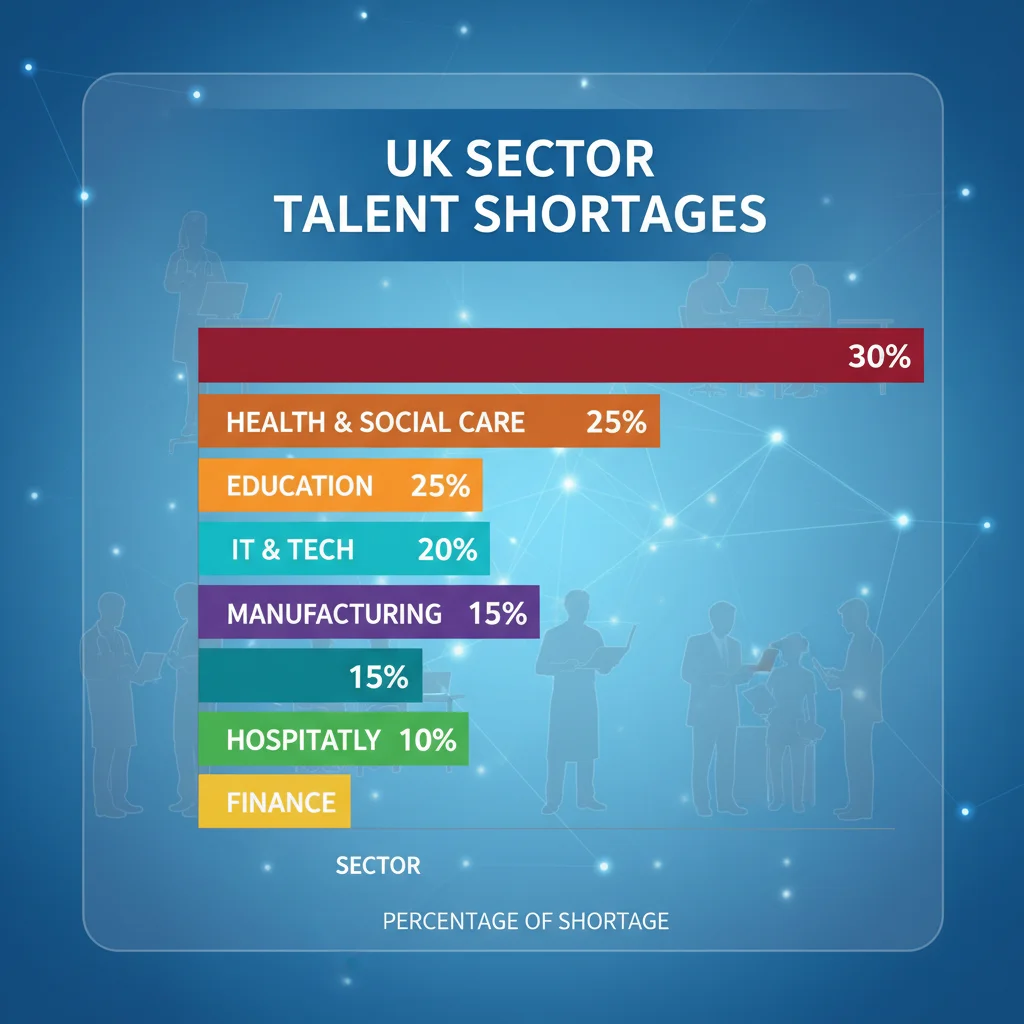
The UK faces a significant skills gap across several vital sectors, with some experiencing over a 20% talent shortage. This article explores these critical areas and highlights how targeted training and development programmes are essential to bridge these deficits, fostering a more robust and skilled workforce for the future.
By: Michael Sete on August 22, 2026
The United Kingdom is currently navigating a complex economic landscape, with a significant challenge emerging from what is widely known as the UK skills gap. This isn’t just a minor inconvenience; it represents a substantial hurdle for businesses and the economy as a whole. Many vital sectors are grappling with a severe shortage of skilled professionals, with some experiencing talent deficits exceeding 20%.
This widespread shortage impacts productivity, innovation, and the UK’s global competitiveness. Addressing this issue requires a multi-faceted approach, with targeted training and development initiatives playing a crucial role in equipping the workforce with the necessary capabilities. Understanding where these gaps lie is the first step towards building a more resilient and skilled future for the nation.
The Digital and Technology Sector: A Persistent Shortage
The digital and technology sector stands as one of the most dynamic and rapidly evolving industries in the UK, yet it consistently faces a profound talent shortage. From cybersecurity experts to data scientists and AI specialists, the demand for skilled professionals far outstrips the available supply. This gap isn’t merely about filling vacant positions; it’s about ensuring the UK remains at the forefront of technological innovation and economic growth. Companies across various industries, not just dedicated tech firms, rely heavily on digital capabilities, making this shortage a widespread concern.
The pace of technological change means that skills can become outdated quickly, necessitating continuous learning and upskilling. Universities and colleges are working to produce graduates with relevant qualifications, but the sheer volume and specialisation required mean that the pipeline often struggles to keep up. Furthermore, many businesses report difficulties in attracting candidates with both the technical prowess and the essential soft skills, such as problem-solving and critical thinking, needed for modern digital roles. This dual challenge makes recruitment particularly difficult.
To combat this, a concerted effort is needed to promote STEM subjects from an early age, encourage lifelong learning, and provide accessible, high-quality training programmes. Bootcamps, apprenticeships, and industry-led certifications are proving effective in fast-tracking individuals into these high-demand roles. The government, educational institutions, and private companies must collaborate to create a robust ecosystem that nurtures digital talent from grassroots to advanced specialisations. This holistic approach is essential to sustain the UK’s digital ambitions and close the persistent UK skills gap in this critical area.
Healthcare and Social Care: Strained Resources and Growing Demand
The healthcare and social care sectors are under immense pressure, exacerbated by a significant and growing skills gap. The COVID-19 pandemic highlighted existing vulnerabilities, but even before that, these sectors struggled with recruitment and retention. Nurses, doctors, allied health professionals, and care workers are all in high demand, with many roles experiencing shortages well over the 20% mark. This isn’t just a statistical problem; it directly impacts patient care, waiting times, and the overall well-being of the population.
An aging population and increasing prevalence of chronic conditions mean that the demand for healthcare services continues to rise. However, the workforce isn’t expanding at a comparable rate. Factors contributing to this include demanding work environments, competitive international recruitment, and insufficient domestic training capacity. Many experienced professionals are also nearing retirement, creating a further drain on expertise. The emotional and physical toll of these roles also contributes to staff burnout and attrition, making it harder to maintain a stable workforce.
Addressing the Healthcare Talent Deficit
Expanding Training Places: Increasing the number of university and vocational training places for healthcare professionals is crucial. This includes nursing, midwifery, and allied health courses.
International Recruitment: While domestic training is vital, strategic international recruitment remains a short-term necessity to fill immediate gaps, alongside ethical recruitment practices.
Retention Strategies: Improving working conditions, offering competitive pay, and providing clear career progression paths are essential to retain existing staff and prevent burnout.
Technology Integration: Leveraging technology like telehealth and AI can help optimise existing resources and reduce some pressures on the workforce, though it requires new digital skills.
Bridging this gap requires sustained investment in training, better support for existing staff, and innovative models of care delivery. Without a robust healthcare workforce, the long-term health and prosperity of the UK are at risk. This sector’s UK skills gap demands urgent and comprehensive solutions.
Construction and Trades: Building the Future, Lacking the Hands
The construction industry is a cornerstone of the UK economy, responsible for building homes, infrastructure, and commercial spaces. However, it too faces a significant UK skills gap, particularly in traditional trades and specialised roles. Bricklayers, carpenters, electricians, plumbers, and civil engineers are all in short supply, creating bottlenecks in projects and driving up costs. This shortage impacts everything from housing targets to major infrastructure developments, hindering the nation’s ability to modernise and grow.
One of the primary reasons for this deficit is an aging workforce, with many experienced tradespeople retiring and not enough younger individuals entering the profession to replace them. Historically, vocational training and apprenticeships in construction have sometimes been perceived as less desirable than academic routes, leading to fewer new entrants. The physical demands of the job and the cyclical nature of the industry can also make it challenging to attract and retain talent, especially during economic downturns.
Furthermore, the industry is undergoing a transformation with the adoption of new technologies and sustainable building practices. This means that even existing workers need to upskill in areas like digital construction, modular building, and green technologies. The demand for these new skills further complicates an already challenging recruitment landscape. Encouraging more young people, including women, to consider careers in construction and trades is vital, alongside improving the image of the industry and highlighting its varied and rewarding opportunities.
To overcome this, there’s a strong push for more robust apprenticeship programmes, better collaboration between educators and industry, and initiatives to promote diversity. Investing in modern training facilities and incorporating digital tools into vocational education can make these careers more appealing and ensure the workforce is equipped for the future of construction. Without addressing this fundamental shortage, the UK’s ambitious building plans will struggle to get off the ground.
Green Economy and Renewable Energy: Powering Up with New Skills
As the UK commits to ambitious net-zero targets, the green economy and renewable energy sectors are experiencing unprecedented growth. This expansion, while positive for the environment, is creating a new and rapidly widening UK skills gap. Roles in areas such as wind turbine engineering, solar panel installation, energy efficiency auditing, electric vehicle infrastructure, and sustainable construction are in high demand, but the workforce with the necessary specialised skills is currently insufficient.
This sector requires a blend of traditional engineering and technical skills alongside new, specific knowledge related to renewable technologies and environmental practices. Many of these roles didn’t exist a decade or two ago, meaning there isn’t a long-established pipeline of talent. Educational institutions are playing catch-up, developing new courses and qualifications to meet the emerging needs. However, the speed of innovation in green technologies means that curricula must constantly evolve to remain relevant.
Companies are struggling to find individuals who can design, install, maintain, and innovate within these new energy systems. This includes not just engineers and technicians, but also project managers, data analysts, and policy specialists who understand the complexities of the green transition. The lack of these skilled professionals threatens to slow down the UK’s progress towards its climate goals and could lead to reliance on international expertise, rather than building domestic capacity.
To address this, there’s a need for significant investment in green skills training, reskilling programmes for workers transitioning from traditional industries, and clearer career pathways. Partnerships between industry, government, and education are essential to forecast future skill needs accurately and develop agile training responses. Promoting the exciting career opportunities within the green economy can also inspire a new generation to pursue these vital roles, ensuring the UK can truly power its sustainable future.
Logistics and Supply Chain Management: Keeping Goods Moving
The logistics and supply chain management sector, often overlooked, is absolutely vital to the functioning of the UK economy, ensuring goods move efficiently from producers to consumers. Recent global events, such as the pandemic and geopolitical shifts, have highlighted the critical importance of a resilient supply chain. Yet, this sector is facing a significant UK skills gap across various roles, from HGV drivers and warehouse operatives to sophisticated supply chain analysts and logistics planners.
The shortage of HGV drivers, in particular, has been a persistent issue, leading to delays and increased costs for businesses. This is partly due to an aging workforce, coupled with challenging working conditions, long hours, and the cost of obtaining the necessary licenses. Beyond the drivers, there’s a growing need for skilled warehouse staff who can manage automated systems, operate advanced machinery, and understand complex inventory management software. The entire supply chain is becoming more technologically driven, requiring a new set of digital competencies.
At a strategic level, there’s a demand for highly skilled supply chain managers who can navigate global complexities, optimise logistics networks, and implement sustainable practices. These roles require strong analytical abilities, problem-solving skills, and a deep understanding of international trade. The rapid evolution of e-commerce has also intensified the demand for efficient last-mile delivery solutions and reverse logistics expertise, adding further pressure to an already stretched workforce.
Bridging this gap involves a multi-pronged approach: improving working conditions and pay for frontline staff, subsidising training for HGV drivers and other essential roles, and promoting career opportunities within logistics. Furthermore, developing advanced apprenticeships and university programmes in supply chain management is crucial to cultivate the next generation of strategic thinkers for this vital sector. Investing in automation and digital tools also requires a workforce capable of operating and maintaining these systems, making upskilling a continuous necessity.
Frequently Asked Questions
What is the primary cause of the UK skills gap?
The UK skills gap is caused by a combination of factors, including an aging workforce leading to retirements, rapid technological advancements requiring new skills, insufficient uptake of vocational training, and evolving economic demands. Global events and changes in immigration policies also contribute to the availability of skilled labour.
Which sectors are most affected by talent shortages?
The sectors most acutely affected by talent shortages in the UK include Digital and Technology, Healthcare and Social Care, Construction and Trades, the Green Economy and Renewable Energy, and Logistics and Supply Chain Management. These areas often report over a 20% deficit in required skills.
How can training programmes help bridge the skills gap?
Training programmes are crucial as they equip individuals with the specific skills needed by industries. This includes apprenticeships, vocational courses, reskilling initiatives for career changers, and continuous professional development for existing workers. Tailored training ensures the workforce remains current and competitive.
What role does the government play in addressing the skills gap?
The government plays a significant role by funding training initiatives, promoting STEM education, supporting apprenticeship schemes, and collaborating with industries to forecast future skill needs. Policy changes related to education, immigration, and industry investment also influence the availability of skilled workers.
What can individuals do to enhance their employability in high-demand sectors?
Individuals can enhance their employability by pursuing education and training in high-demand fields, engaging in lifelong learning, and acquiring certifications relevant to critical sectors. Developing soft skills like problem-solving, critical thinking, and adaptability is also highly valued by employers.
The persistent and significant UK skills gap across critical sectors presents both a challenge and an opportunity for the nation. From the rapidly evolving digital landscape to the foundational needs of healthcare, construction, green energy, and logistics, talent shortages are impacting productivity and future growth. These deficits, often exceeding 20% in key areas, underscore the urgent need for strategic intervention and sustained investment in human capital.
Bridging these gaps requires a concerted, collaborative effort involving government, educational institutions, and private industry. By expanding access to relevant training, promoting apprenticeships, fostering lifelong learning, and adapting curricula to meet future demands, the UK can cultivate a more resilient and skilled workforce. Addressing the skills gap isn’t merely about filling job vacancies; it’s about securing the UK’s economic competitiveness, fostering innovation, and ensuring the well-being of its citizens. The solutions lie in proactive, adaptive, and inclusive training strategies that empower individuals and strengthen the nation’s foundational industries.