Maximise UK Pension Savings: New 2026 Rules & Tax Relief
The UK pension landscape is evolving with new rules set for 2026, offering potential for increased tax relief. This guide breaks down the changes, helping you understand how to optimise your pension contributions and maximise your retirement savings under the updated regulations.
By: Michael Sete on August 24, 2026
Navigating the world of retirement savings can feel complex, especially with changes to financial regulations. As we look towards 2026, significant adjustments to UK pension rules are on the horizon, bringing both challenges and new opportunities for savers. Understanding these upcoming changes is crucial for anyone planning their financial future.
These new UK pension rules 2026 aim to simplify the system while potentially boosting retirement pots through enhanced tax relief. This guide will walk you through what to expect, helping you make informed decisions to maximise your retirement savings.
Understanding the New UK Pension Landscape for 2026
The UK pension landscape is continually evolving, and 2026 marks another pivotal moment for retirement savers. The upcoming changes are designed to streamline the existing framework, making it easier for individuals to comprehend their pension entitlements and contribution limits. These reforms could have a profound impact on how you approach your long-term financial planning, particularly concerning the amount you can contribute and the tax benefits you receive. It’s essential to grasp the fundamental shifts to ensure your retirement strategy remains robust and effective.
One of the primary drivers behind these changes is the government’s ongoing effort to encourage greater personal responsibility for retirement savings. By adjusting contribution rules and tax relief mechanisms, policymakers hope to incentivise more people to save adequately for their later years. These adjustments aren’t just about technicalities; they reflect a broader vision for a more sustainable and accessible pension system. Staying informed about these developments will empower you to adapt your saving habits and take full advantage of any new provisions.
It’s important to remember that pension rules can be intricate, and what applies to one individual might differ for another, depending on their income, employment status, and existing pension arrangements. However, the core principles of the 2026 reforms are universal, aiming to provide clearer guidelines for everyone. We will delve into these specifics, including how the new rules might affect your annual allowance, lifetime allowance (which was previously abolished but its impact lingers in related calculations), and the types of contributions you can make. Being prepared means understanding the details and planning ahead.
Key Changes to Pension Contribution Limits and Allowances
The upcoming UK pension rules 2026 will introduce notable alterations to contribution limits and allowances, directly influencing how much you can save into your pension tax-free each year. For many, the annual allowance is a critical figure, dictating the maximum amount that can be paid into a pension scheme while still benefiting from tax relief. These adjustments are particularly relevant for higher earners, but they also have implications for those with more modest incomes, as the overall framework is shifting. Understanding these new limits is the first step towards optimising your contributions.
Previously, the pension lifetime allowance (LTA) often caused confusion and complexity, acting as a cap on the total value of pension benefits an individual could accrue over their lifetime without incurring an additional tax charge. While the LTA has been abolished, its spirit lives on through the introduction of new allowances that manage the tax-free lump sum at retirement. The new rules aim to simplify this aspect, providing clearer boundaries for tax-efficient withdrawals. This simplification could reduce administrative burdens and offer more certainty for those approaching retirement.
Here are some key areas where you might see changes:
Annual Allowance: Expect potential adjustments to the maximum amount you can contribute to your pension each tax year while receiving tax relief.
Money Purchase Annual Allowance (MPAA): This allowance, which applies once you’ve started flexibly accessing your pension, might also see modifications.
Lump Sum Allowances: New limits will govern the amount of tax-free cash you can take from your pension when you retire, replacing the previous LTA calculations.
These changes are designed to create a more straightforward system, but careful planning will still be required to navigate them effectively.
Maximising Your Tax Relief Potential Under New Regulations
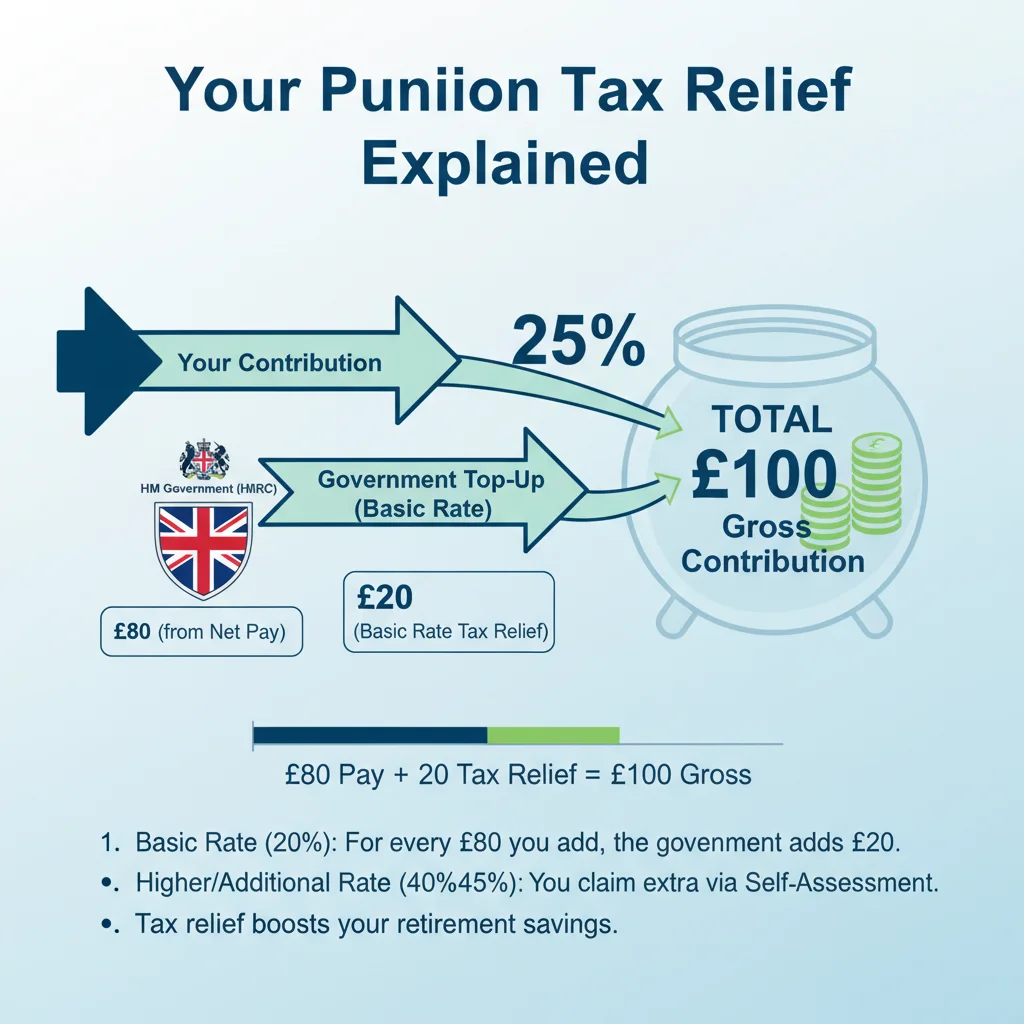
One of the most exciting aspects of the new UK pension rules 2026 is the potential for a 15% increase in tax relief for many savers. This enhanced relief mechanism is a significant incentive, designed to make pension contributions even more attractive. Tax relief essentially means that the government adds money to your pension pot, effectively reducing the cost of your contributions. For basic rate taxpayers, this usually means a 20% boost, while higher and additional rate taxpayers can claim back even more through their self-assessment. The upcoming changes could elevate this benefit further, making your money work harder for your future.
To fully capitalise on this increased tax relief, it’s vital to understand how it applies to your specific circumstances. The exact mechanics will depend on whether you have a ‘net pay’ scheme, where contributions are deducted from your gross salary before tax, or a ‘relief at source’ scheme, where contributions are taken from your net pay and the pension provider reclaims basic rate tax for you. The potential 15% increase could manifest in various ways, such as a higher basic rate relief or more generous top-ups for those in higher tax brackets. Reviewing your current pension scheme and how it handles tax relief will be a crucial step.
Strategies for Optimising Tax Relief
Several strategies can help you maximise your tax relief:
Review Contribution Levels: Consider increasing your contributions up to the new annual allowance to take full advantage of the enhanced relief.
Utilise Carry Forward: If you haven’t used your full annual allowance in previous years, you might be able to ‘carry forward’ unused allowance from the three preceding tax years.
Understand Your Tax Bracket: Ensure your pension contributions are structured to maximise relief based on your current income tax band.
Salary Sacrifice: If offered by your employer, salary sacrifice can be a highly tax-efficient way to contribute, reducing both income tax and National Insurance.
Engaging with a financial advisor can provide personalised guidance on how these changes specifically impact your financial plan, ensuring you don’t miss out on any opportunities to boost your pension savings.
Step-by-Step Guide to Adjusting Your Pension Strategy
With the new UK pension rules 2026 on the horizon, taking proactive steps to adjust your pension strategy is essential. This isn’t just about reacting to changes; it’s about seizing opportunities to enhance your retirement savings. The first step involves a thorough review of your current pension arrangements. Gather all relevant documents, including statements from your workplace pension and any personal pensions you hold. Understanding your current contributions, fund performance, and existing tax relief mechanisms will provide a solid foundation for future planning.
Once you have a clear picture of your current situation, the next step is to familiarise yourself with the specifics of the 2026 reforms. Pay close attention to the updated annual allowance, any new lump sum allowances, and the revised tax relief calculations. Official government publications and reputable financial news sources will be invaluable resources for this research. Don’t rely on hearsay; ensure your information comes from credible origins. This knowledge will enable you to identify potential gaps or areas where your current strategy might no longer be optimal.
Here’s a simplified approach to adjusting your strategy:
Assess Your Current Pensions: Consolidate information from all your pension pots to get a holistic view.
Understand the New Rules: Research the 2026 changes to annual allowances, tax relief, and withdrawal options.
Project Your Retirement Needs: Re-evaluate your retirement goals and how much income you’ll need, factoring in inflation.
Adjust Contributions: Modify your regular contributions to align with the new allowances and maximise tax relief.
Consider Professional Advice: Consult a financial advisor for personalised guidance on complex situations or significant adjustments.
By following these steps, you can ensure your pension strategy remains aligned with your retirement goals and the evolving regulatory environment.
Long-Term Benefits of Early Adaptation to 2026 Rules
Adapting early to the new UK pension rules 2026 offers significant long-term benefits that can profoundly impact the security and comfort of your retirement. Procrastination in financial planning often leads to missed opportunities, and pension planning is no exception. By understanding and implementing changes to your strategy sooner rather than later, you can harness the power of compound growth, allowing your enhanced contributions and tax relief to accumulate over a longer period. This proactive approach can lead to a substantially larger pension pot, providing greater financial freedom in your later years.
Beyond the immediate financial gains, early adaptation fosters a sense of control and reduces stress about your retirement future. Knowing that your pension strategy is aligned with the latest regulations and optimised for maximum benefit provides peace of mind. It allows you to focus on other aspects of your life, confident that your retirement savings are on the right track. This forward-thinking mindset is a cornerstone of effective financial planning, transforming potential anxieties into assured security.
Moreover, early engagement with the new rules provides a buffer against any unforeseen future changes or personal circumstances. Life is unpredictable, and having a robust, well-adjusted pension plan means you are better equipped to handle unexpected challenges, such as career breaks, health issues, or market fluctuations. The incremental gains achieved through early adaptation, coupled with a flexible strategy, create resilience in your financial plan. This ensures that your journey towards a comfortable retirement is as smooth and secure as possible, making the effort to understand and act on the 2026 rules a truly worthwhile investment of your time.
Frequently Asked Questions
What are the main changes to UK pension rules in 2026?
The 2026 UK pension rules primarily focus on streamlining allowances and potentially enhancing tax relief mechanisms. While the Lifetime Allowance has been abolished, new limits on tax-free lump sums are being introduced, alongside potential adjustments to the annual allowance to simplify the system for savers.
How can I benefit from the potential 15% increase in tax relief?
To benefit, you should review your current pension contributions and ensure you are maximising your annual allowance. Understanding your tax bracket and how your pension scheme applies tax relief (net pay vs. relief at source) is crucial. Consulting a financial advisor can help tailor strategies to your specific income and pension type.
Will these changes affect my existing pension?
Yes, the new rules will likely affect how future contributions to your existing pension are treated, especially regarding tax relief and annual allowances. However, benefits already accrued before the changes are generally protected. It’s important to check with your pension provider or a financial expert for specific impacts on your current pot.
What is the annual allowance, and how might it change?
The annual allowance is the maximum amount you can contribute to your pension each tax year while still receiving tax relief. While specific figures are subject to final legislation, the 2026 rules are expected to refine this limit, potentially increasing it or adjusting how it interacts with different income levels to encourage more saving.
Should I seek financial advice regarding the 2026 pension rules?
Absolutely. Given the complexity of pension regulations and the personalised nature of financial planning, seeking advice from a qualified independent financial advisor is highly recommended. They can provide tailored guidance on how the new UK pension rules 2026 impact your individual circumstances and help you optimise your retirement strategy.
Official Resources
[Gov.uk – Understanding your pension](https://www.gov.uk/pension-types)
[MoneyHelper – Pensions and retirement](https://www.moneyhelper.org.uk/en/pensions-and-retirement)
[HMRC – Tax on your private pension](https://www.gov.uk/tax-on-your-private-pension)
Conclusion
The upcoming UK pension rules 2026 represent a significant evolution in how individuals save for retirement. With potential adjustments to contribution limits and the promise of a 15% increase in tax relief for many, these changes offer a compelling opportunity to enhance your financial security. Proactive engagement with these reforms is not merely about compliance; it’s about strategically positioning yourself to maximise your retirement savings and secure a more comfortable future. Understanding the new landscape, from annual allowances to tax relief mechanisms, is the cornerstone of effective planning.
By taking the time to review your current pension strategy, researching the specifics of the 2026 rules, and considering professional financial advice, you can navigate these changes with confidence. Early adaptation allows you to fully harness the power of compound growth and ensures your pension pot benefits from every available advantage. Don’t let these opportunities pass you by; empower yourself with knowledge and make informed decisions today to build the retirement you deserve. Your future self will thank you for the effort invested in understanding and acting upon these vital pension reforms.