UK State Pension Age Review: What Over 55s Need to Know
The UK State Pension Age is a critical topic for many, especially those over 55. This article delves into the government's latest review, exploring proposed changes, their potential impact, and what it means for your retirement planning. Stay informed about the future of state pensions.
By: [email protected] on August 22, 2026
Última atualização em: agosto 24, 2026
The future of the UK State Pension Age is a topic that regularly captures headlines and sparks considerable debate. For individuals over 55, understanding the ongoing government reviews and their potential implications is not just important, but essential for sound retirement planning. These reviews are not mere bureaucratic exercises; they directly affect when you can expect to receive your state pension and, by extension, your financial security in later life.
The government periodically reviews the State Pension Age to ensure the system remains sustainable in the face of changing demographics, such as increasing life expectancy and fluctuating birth rates. These reviews aim to strike a balance between supporting an aging population and ensuring fairness across generations. What might seem like small adjustments can have significant long-term effects on personal finances and retirement strategies. Staying informed about these discussions and proposed changes is a crucial step for anyone approaching their later working years.
Understanding the Current UK State Pension Age Framework
To grasp the significance of any proposed changes, it’s vital to first understand the current framework of the UK State Pension Age. Historically, the State Pension Age was different for men and women. However, this changed with the Pensions Act 1995 and subsequent legislation, which aimed to equalize the pension age for both sexes. This move was a significant reform, leading to a gradual increase for women to match that of men.
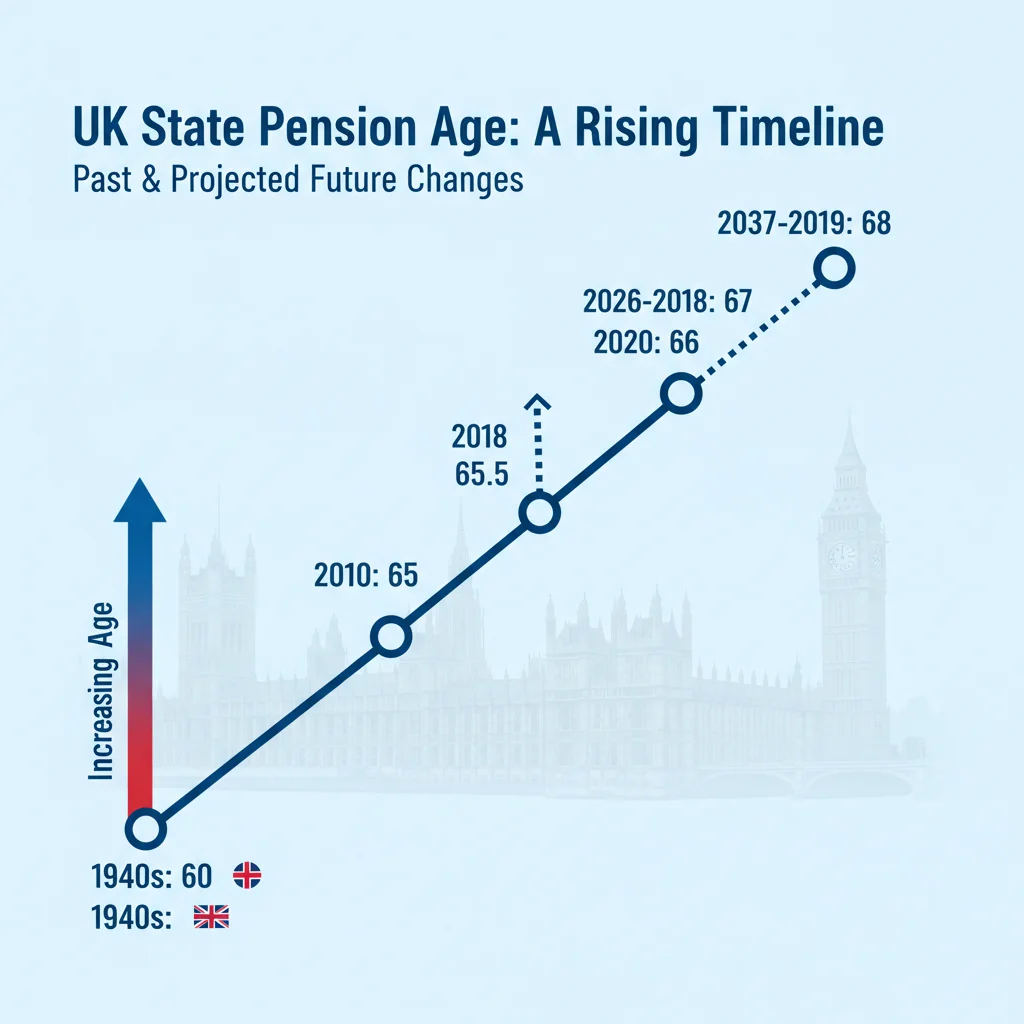
Currently, the State Pension Age in the UK is 66 for both men and women. This age was reached following a series of incremental increases, culminating in October 2020. This equalization and subsequent rise reflect a broader trend across many developed nations, where governments are adjusting retirement ages to cope with demographic shifts. The rationale behind these adjustments often centers on the idea that people are living longer, healthier lives, and therefore, can reasonably expect to work for a greater number of years.
The government sets out a clear timetable for these increases, often many years in advance, to allow people to plan. However, these timetables are not set in stone and are subject to periodic reviews. These reviews consider various factors, including life expectancy projections, the economic health of the nation, and the overall cost of the state pension system. The current State Pension Age of 66 is a product of these past reviews and serves as the baseline for any future discussions or changes.
Key Findings from the Latest Government Review
The latest government review into the UK State Pension Age has presented several key findings that are particularly relevant for individuals over 55. This review, mandated by law, assesses whether the current trajectory for increasing the pension age remains appropriate given updated projections on life expectancy and other economic factors. One of the central findings often revolves around the sustainability of the state pension system.
The review typically highlights that while life expectancy has generally increased over recent decades, the pace of that increase has shown signs of slowing down or even stalling in some areas. This specific finding is crucial because it directly impacts the core assumption underpinning previous State Pension Age increases. If people are not living as long as previously projected, then the argument for raising the pension age further or faster might weaken. The report also considers the financial burden on future generations.
Another significant aspect often explored is the impact of different pension age policies on various segments of the population. The government aims to ensure fairness, but raising the pension age can disproportionately affect certain groups, such as those in physically demanding jobs or those with poorer health outcomes. The review usually offers different scenarios or options for future increases, rather than a single, definitive recommendation. These options serve as a basis for public and parliamentary debate, informing future policy decisions regarding the UK State Pension Age.
Potential Impact on Individuals Over 55
For those aged 55 and above, any changes to the UK State Pension Age have immediate and tangible implications for their retirement plans. Even a slight increase or a change in the acceleration of future increases can shift the goalposts for when they can expect to receive their state pension. This uncertainty can create anxiety and necessitate a re-evaluation of existing financial strategies.
One primary impact is on financial forecasting. Many people plan their retirement based on the current State Pension Age. If this age is pushed back, individuals may need to work longer than anticipated or find alternative sources of income to bridge the gap. This could mean delaying retirement, drawing down private pensions earlier, or adjusting lifestyle expectations. The psychological impact of having one’s retirement age moved further away can also be significant, affecting morale and future planning.
Navigating the Changes
Review Your Retirement Plans: Regularly assess your private pension provisions and savings. Understand how a delayed State Pension Age might affect your overall income in retirement.
Consider Working Longer: Explore options for continued employment, whether full-time, part-time, or through self-employment, to cover any income shortfall.
Seek Financial Advice: A qualified financial advisor can help you understand the specific implications for your circumstances and develop a robust plan.
Understand Your Health: Consider how your health might impact your ability to work longer and factor this into your planning.
It’s crucial for individuals in this age group to stay proactive and not wait for definitive legislation. Engaging with the information available and considering different scenarios allows for more resilient planning, mitigating the potential negative effects of any future changes to the UK State Pension Age.
What These Suggestions Mean for Future Planning
The suggestions emerging from the latest government review are not just academic discussions; they provide crucial insights for individuals in their future planning, particularly concerning the UK State Pension Age. These proposals, even before they become law, signal the likely direction of travel for state pension policy. Understanding these signals allows for proactive adjustments rather than reactive scrambling when changes are finally enacted. For instance, if the review suggests a faster pace of increase than previously planned, it immediately tells individuals that they might need to recalibrate their retirement timelines.
One key aspect of future planning involves adjusting expectations regarding the age at which state pension benefits will commence. Many people have a fixed idea in their mind based on current or past legislation. However, the review’s suggestions highlight the dynamic nature of these policies. Therefore, it becomes prudent to plan with a degree of flexibility, perhaps aiming to be financially independent slightly before the official State Pension Age, to create a buffer against potential changes. This approach provides greater control and reduces reliance on a specific government timeline.
Furthermore, these suggestions underscore the importance of diversified retirement planning. Relying solely on the state pension for future income is becoming increasingly risky. The review’s findings often implicitly encourage greater personal responsibility for retirement savings, emphasizing the need for robust private pension contributions, investments, and other forms of savings. For those over 55, this might mean maximizing contributions to existing pension schemes or exploring alternative income streams to supplement their retirement income. Preparing for a potentially later UK State Pension Age is about building a resilient financial future.
Navigating Uncertainty and Securing Your Retirement
Navigating the inherent uncertainty surrounding the UK State Pension Age is a significant challenge for many, but it is not insurmountable. The key lies in proactive planning and making informed decisions based on the best available information. While the government reviews provide guidance, the final legislation can sometimes differ, adding another layer of complexity. Therefore, adopting a flexible and robust approach to retirement planning is more important than ever.
One effective strategy is to build a strong financial buffer. This involves not only saving consistently but also exploring different investment avenues that align with your risk tolerance and financial goals. Having diverse sources of income in retirement, beyond just the state pension, can provide greater security against policy changes. This could include private pensions, ISAs, property investments, or even considering part-time work in retirement to supplement income. Thinking about retirement as a multi-faceted income strategy rather than relying on a single source offers more stability.
Another crucial step is to regularly engage with official sources and financial experts. The government publishes detailed reports and updates on the State Pension Age, and reputable financial advisors specialize in retirement planning. Consulting with an expert can help you understand the nuances of the proposed changes, evaluate your current financial position, and tailor a plan that accounts for potential shifts in the UK State Pension Age. This professional guidance can turn complex information into actionable steps, empowering you to secure your retirement with confidence.
Frequently Asked Questions
What is the current State Pension Age in the UK?
The current State Pension Age in the UK is 66 for both men and women. This age was equalized and reached in October 2020 following a series of incremental increases outlined in previous legislation.
Why does the government review the State Pension Age?
The government reviews the State Pension Age periodically to ensure the long-term financial sustainability of the state pension system. These reviews consider factors such as changes in life expectancy, demographic shifts, and economic conditions.
How might a change in State Pension Age affect my private pension?
A change in the State Pension Age does not directly alter your private pension, but it can affect when you plan to draw it. If the State Pension Age increases, you might need to rely on your private pension for a longer period before receiving state benefits, potentially requiring adjustments to your drawdown strategy.
Where can I find my projected State Pension Age?
You can find out your personalized projected State Pension Age by using the official government tool on the Gov.uk website. This tool provides information based on your date of birth and current legislation.
Should I adjust my retirement plans based on review suggestions?
While review suggestions are not final law, they offer strong indications of future policy. It is prudent to consider these suggestions in your retirement planning, perhaps by building in flexibility or seeking financial advice, to prepare for potential changes to the UK State Pension Age.
The ongoing discourse around the UK State Pension Age is a critical element of financial planning for millions, especially those over 55. The government’s periodic reviews are not just administrative formalities; they are pivotal in shaping the economic landscape for future retirees. As life expectancies evolve and economic pressures shift, the State Pension Age remains a dynamic figure, subject to careful consideration and potential adjustment. Understanding the current framework, the findings of the latest review, and the potential implications for your personal finances is paramount.
For individuals approaching retirement, the key takeaway is the necessity of proactive and flexible planning. Relying solely on a fixed State Pension Age is no longer a viable strategy. Instead, a diversified approach to retirement income, coupled with regular reviews of personal financial plans and, where appropriate, professional financial advice, will provide the greatest security. Staying informed through official channels and understanding the broad strokes of government policy will empower you to make timely adjustments, ensuring that your retirement remains a period of comfort and financial stability, regardless of how the UK State Pension Age evolves.
Peter B holds a degree in Journalism and has 5 years of experience covering U.S. economic policy, labor markets, and financial news. He writes data-driven news content on topics like inflation, interest rates, and employment trends.