Community Food Banks See 20% Demand Surge: What’s Happening?
Community food banks are facing unprecedented challenges, witnessing a significant 20% surge in demand over the last 12 months. This article explores the underlying reasons for this increase, the impact on local communities, and the vital role these organizations play in addressing food insecurity. Learn how you can contribute to these essential services.
By: Michael Sete on August 22, 2026
Última atualização em: agosto 24, 2026
Anúncios
Over the past twelve months, a notable and concerning trend has emerged across the nation: a significant 20% increase in demand for services provided by community food banks. These vital organizations, often the last line of defense against hunger, are grappling with an unprecedented surge in individuals and families seeking assistance. This rising need underscores broader economic challenges and highlights the critical role that local food distribution networks play in supporting vulnerable populations.
Understanding the factors contributing to this heightened demand is crucial for effective community response. From inflationary pressures eroding household budgets to ongoing employment instability, many people are finding it increasingly difficult to put food on the table. The resilience and adaptability of community food banks are being tested as they strive to meet this growing need with often limited resources, relying heavily on the generosity of donors and the dedication of volunteers.
Anúncios
Understanding the Drivers Behind Increased Food Insecurity
The recent 20% surge in demand at community food banks isn’t an isolated phenomenon; it’s a direct result of several interconnected economic and social pressures impacting households across various demographics. Inflation has played a significant role, with the cost of essential goods like groceries, housing, and utilities continuing to climb. This means that even families with stable incomes are seeing their purchasing power diminish, leaving less money for food after other bills are paid. For those already living paycheck to paycheck, this economic squeeze can quickly push them into food insecurity.
Beyond inflation, job market fluctuations and underemployment also contribute to the problem. While unemployment rates might appear stable in some areas, many individuals are working part-time jobs or positions that do not offer sufficient hours or wages to cover basic living expenses. The instability of gig economy work, coupled with the rising cost of childcare, further complicates financial planning for many families. These factors create a precarious situation where a single unexpected expense, such as a car repair or medical bill, can force families to choose between paying rent and buying food.
Anúncios
Furthermore, the lingering effects of global events have disrupted supply chains and increased food prices, making it harder for food banks to acquire donations at previous volumes and costs. This creates a challenging environment where the need is greater, but the resources to meet that need are also strained. The confluence of these elements paints a clear picture of why so many more people are turning to community food banks for essential support.
The Economic Ripple Effect on Local Communities
The increased reliance on community food banks has a far-reaching economic ripple effect that extends beyond individual households to impact entire local communities. When more residents struggle with food insecurity, it can strain local social services and healthcare systems. Malnutrition, even in mild forms, can lead to increased health issues, requiring more frequent doctor visits and potentially higher healthcare costs for individuals and the community at large. Children experiencing food insecurity often face challenges in school, including difficulty concentrating and lower academic performance, which can affect their long-term educational and economic prospects.
Moreover, local businesses can also feel the pinch. When families have less disposable income because they are struggling to afford basic necessities, they spend less at local shops, restaurants, and service providers. This reduction in consumer spending can slow down local economic growth, potentially leading to job losses or reduced wages in other sectors. The health of a local economy is intrinsically linked to the well-being of its residents, and widespread food insecurity signals underlying economic vulnerabilities that demand attention from policymakers and community leaders.
Addressing food insecurity through robust community food banks can, therefore, be seen as an investment in the overall economic health of a region. By ensuring that residents have access to nutritious food, communities can foster better health outcomes, improve educational attainment, and maintain a more stable workforce. This proactive approach helps mitigate some of the negative economic consequences associated with widespread hunger, creating a more resilient and equitable local economy for everyone.
Challenges Faced by Community Food Banks
The significant rise in demand has placed immense pressure on community food banks, forcing them to navigate a complex landscape of operational challenges. One of the primary hurdles is securing sufficient food donations. With more people needing help, the volume of food required has grown exponentially, often outpacing the generosity of individual and corporate donors. Food banks are constantly seeking new partnerships with grocery stores, farms, and food manufacturers to keep their shelves stocked, but these relationships require significant logistical coordination and resources to maintain.
Another major challenge involves staffing and volunteer retention. Many food banks rely heavily on volunteers to sort, pack, and distribute food. The increased workload means more volunteer hours are needed, but recruitment can be difficult, especially for consistent, long-term commitments. Furthermore, the rising cost of fuel and transportation adds to operational expenses, making it more expensive to collect donated food and deliver it to distribution points. These financial strains mean that food banks must constantly fundraise and seek grants to cover their day-to-day costs, diverting valuable time and energy from direct service provision.
Adapting to New Realities
Diversifying Food Sources: Actively seeking out new partnerships with local farms for fresh produce and exploring bulk purchasing options.
Enhancing Volunteer Engagement: Implementing flexible scheduling and offering training to improve volunteer experience and retention.
Optimizing Logistics: Investing in more efficient transportation routes and storage solutions to reduce operational costs.
Community Partnerships: Collaborating with local schools, churches, and other non-profits to expand distribution networks and reach more people.
Advocacy for Policy Change: Working with local and national governments to advocate for policies that address the root causes of food insecurity.
These adaptive strategies are crucial for community food banks to continue their vital work in the face of escalating demand and resource limitations. Their ability to innovate and collaborate will determine their effectiveness in supporting those most in need.
The Human Impact: Stories from the Front Lines
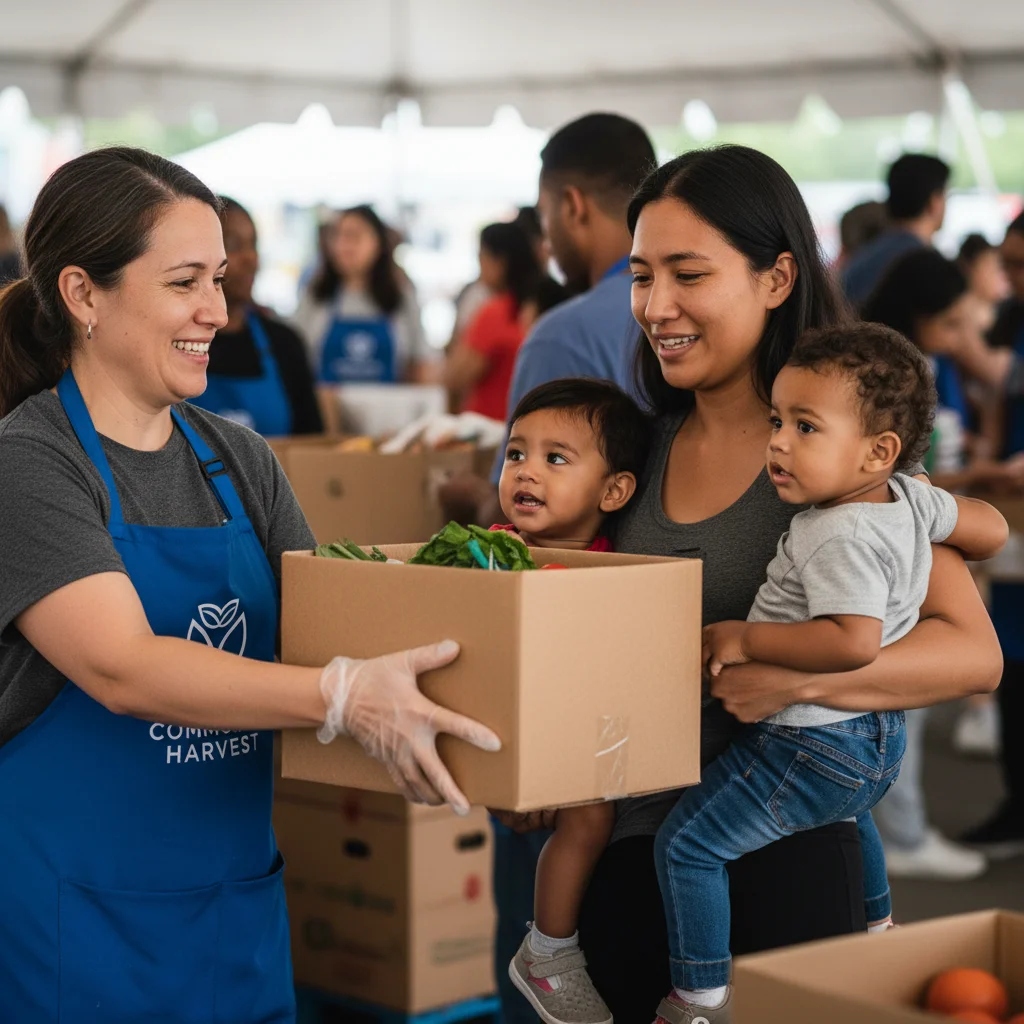
Behind the statistics of increased demand lie countless personal stories of resilience, struggle, and gratitude. For many individuals and families, turning to a community food bank is a decision born out of desperation, often after exhausting all other options. These are not just numbers; they are neighbors, friends, and members of our communities who are facing difficult circumstances. The impact of receiving a box of groceries can be profound, offering not just sustenance but also a sense of relief and dignity during challenging times.
Consider Maria, a single mother who recently lost her part-time job. With two young children, she found herself struggling to stretch her unemployment benefits to cover rent, utilities, and food. “Coming to the food bank felt like a lifeline,” she shared, tears welling up. “It meant my kids wouldn’t go to bed hungry. It meant I could use the little money I had for their school supplies.” Her story is echoed by many seniors living on fixed incomes, who find that rising costs make it impossible to afford both medication and nutritious meals, or by young adults navigating their first independent living experiences while grappling with low-wage jobs.
The volunteers at these food banks also share powerful insights. They witness firsthand the quiet desperation and the immense gratitude of those they serve. “It’s more than just handing out food,” explains David, a long-time volunteer. “It’s about showing people they’re not alone, that their community cares.” These interactions highlight the essential human connection that food banks provide, offering not only physical nourishment but also emotional support and a sense of belonging in times of hardship. The human impact is a testament to the critical role these organizations play in maintaining the social fabric of our communities.
How Individuals and Communities Can Help
Supporting community food banks is more critical now than ever, and there are numerous ways individuals and communities can contribute to their invaluable work. Financial donations are often the most flexible and impactful form of assistance. Money allows food banks to purchase specific items they are short on, acquire fresh produce, or cover operational costs like transportation and storage. Even a small monetary contribution can make a significant difference, as food banks often have purchasing power that allows them to buy goods at wholesale prices, stretching each dollar further than individual grocery purchases.
Volunteering time is another powerful way to help. Food banks constantly need helping hands to sort donations, pack boxes, assist with distribution events, and even help with administrative tasks. Giving a few hours of your time can directly translate into more families receiving food. Check with your local food bank for their specific needs and scheduling options. Many offer flexible shifts that can accommodate various schedules, making it easier for busy individuals to contribute.
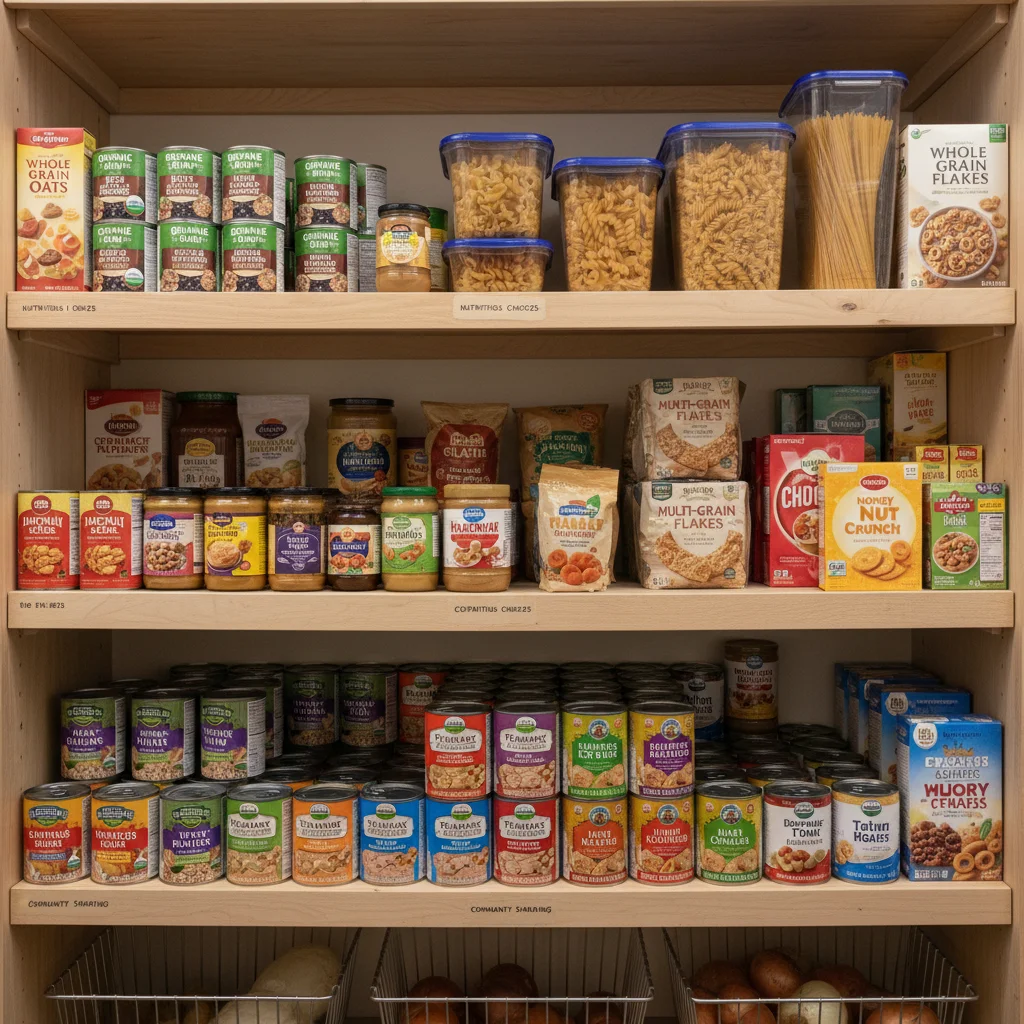
Organizing a food drive within your neighborhood, workplace, or school can also provide a substantial boost to local food bank inventories. Focus on collecting highly requested non-perishable items such as canned proteins (tuna, chicken), peanut butter, pasta, rice, and healthy cereals. Before starting a drive, it’s always a good idea to contact your local food bank to inquire about their most needed items. This ensures that your efforts are aligned with their current demands and that the donations are as useful as possible. Every act of generosity, big or small, helps these essential community food banks continue their mission.
Frequently Asked Questions
Why is there such a significant increase in demand for food banks right now?
The increase is largely due to a combination of factors including persistent inflation driving up food and living costs, stagnant wages for many workers, and the lingering economic instability from recent global events. These pressures make it harder for families to afford basic necessities.
What types of food items do food banks need most?
While specific needs can vary, most food banks are always in need of non-perishable, nutritious items such as canned fruits and vegetables, canned proteins (tuna, chicken), peanut butter, whole-grain pasta, rice, and healthy cereals. Check your local food bank’s website for their most current wish list.
How can I ensure my donations are used effectively?
Financial donations are often the most flexible as they allow food banks to purchase exactly what they need, including fresh produce or specific items that are scarce. If donating food, choose non-perishable, unexpired items. Volunteering your time directly supports their operations and reduces labor costs.
Are community food banks only for people who are unemployed?
No, community food banks serve a wide range of individuals and families, including those who are employed but earn low wages, seniors on fixed incomes, single-parent households, and individuals facing unexpected medical or financial crises. Food insecurity affects people from all walks of life.
What long-term solutions are being explored to reduce reliance on food banks?
Long-term solutions include advocating for policies that address poverty and income inequality, increasing access to affordable housing, promoting job training and living wage employment, and strengthening social safety nets. Many food banks also offer programs to help clients achieve greater self-sufficiency.
The 20% surge in demand at community food banks over the past year is a stark indicator of the growing food insecurity crisis impacting countless individuals and families. This trend is not merely a statistic but a reflection of the economic pressures and daily struggles faced by our neighbors, underscoring the urgent need for sustained support. From inflationary costs to job market instability, various factors are pushing more people to seek assistance, highlighting the crucial role these organizations play as a lifeline for vulnerable populations.
Community food banks are at the forefront of this challenge, adapting their operations and stretching their resources to meet an unprecedented need. Their tireless efforts, driven by dedicated staff and volunteers, ensure that nutritious food reaches those who need it most. However, they cannot do it alone. The continued success of these vital services depends heavily on the collective action of individuals, businesses, and policymakers.
By understanding the root causes of increased food insecurity and actively participating in solutions, we can collectively make a significant difference. Whether through financial contributions, volunteering time, or organizing food drives, every act of generosity strengthens the safety net for our communities. Let us unite to support our local community food banks, ensuring that no one in our communities has to face the devastating reality of hunger. Your involvement can provide hope and sustenance, fostering stronger, more resilient communities for the future.