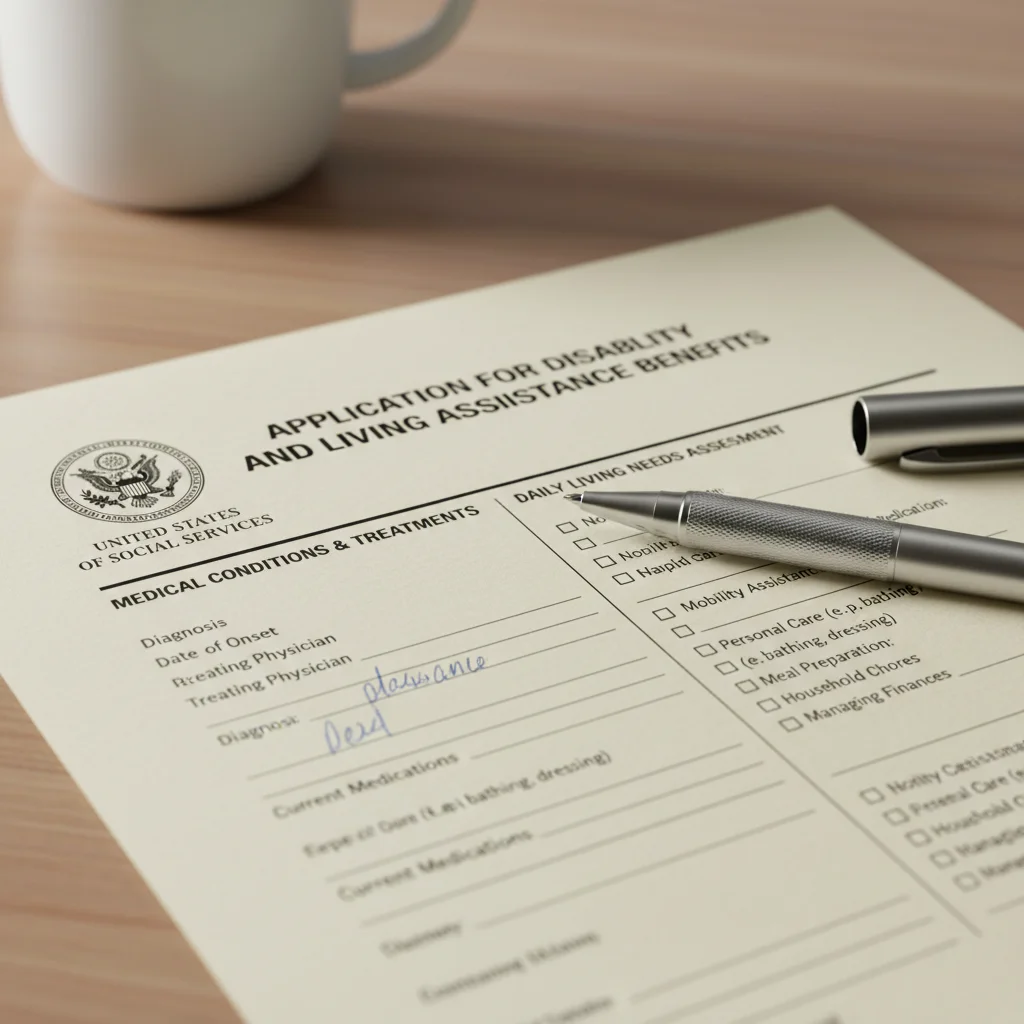
This guide offers expert advice on maximising your Attendance Allowance 2026 claim. Learn about eligibility criteria, the application process, and crucial tips to help you secure the financial support you need for daily living due to illness or disability.
By: pedropadm2025@gmail.com on August 22, 2026
Maximise Your Attendance Allowance Claim for 2026: Expert Tips
Understanding and successfully navigating the application process for Attendance Allowance can significantly impact your financial well-being, especially as we look towards the 2026 application cycle. This essential benefit is designed to help with the extra costs if you have a physical or mental disability severe enough that you need someone to help look after you. Securing your Attendance Allowance 2026 claim requires careful preparation and a thorough understanding of the criteria.
Many eligible individuals miss out on this vital support simply because they find the application daunting or don’t fully articulate their needs. This article provides expert tips and clear guidance to help you strengthen your application, ensuring you present the most compelling case for receiving the allowance you deserve. We’ll break down the key aspects, from eligibility to evidence gathering, making the entire process more manageable and increasing your chances of a successful outcome.
Understanding Attendance Allowance Eligibility
Attendance Allowance is a non-means-tested benefit, meaning it doesn’t matter how much income or savings you have. It’s specifically for people who have reached State Pension age and need help with personal care or supervision due to a physical or mental disability. The core of eligibility revolves around the level of care and supervision you require, not the disability itself. This distinction is crucial for your Attendance Allowance 2026 application.
To qualify, you must have needed help for at least six months, unless you are terminally ill. The help can be with things like washing, dressing, eating, or using the toilet. It also covers supervision to keep you safe, such as if you are prone to falls or confusion. Even if you don’t currently receive help but need it, you might still be eligible. The Department for Work and Pensions (DWP) assesses your needs based on the information you provide in your application form and any supporting evidence.
It’s important to remember that needing help doesn’t necessarily mean someone is physically providing it. For instance, if you require someone to be awake at night to supervise you because of a risk of falling, this counts as needing help. Similarly, if you need prompting or encouragement to carry out daily tasks due to a mental health condition, that also qualifies. Don’t underestimate the impact of your condition on your daily life; every aspect of your care needs should be detailed.
Preparing Your Application for Success
The success of your Attendance Allowance 2026 claim largely depends on the thoroughness and clarity of your application. This isn’t just about listing your conditions; it’s about explaining in detail how those conditions affect your daily living and the care you need. Start gathering information well in advance, including medical reports, care plans, and a diary of your daily struggles.
When filling out the form, use clear, simple language. Avoid jargon and assume the person reading your application has no prior knowledge of your medical history. Provide specific examples of how your disability impacts you. Instead of saying, "I have difficulty walking," explain, "I can only walk for five minutes before needing to sit down due to severe joint pain, requiring assistance to navigate stairs and uneven surfaces." This level of detail paints a much clearer picture for the decision-maker.
Key Documentation to Gather
Medical reports from your GP, specialists, or consultants.
Prescription lists detailing all your current medications.
Care plans from social services or private care providers.
Hospital discharge summaries or clinic letters.
A detailed daily diary documenting your care needs over several weeks.
Remember to include all relevant conditions, even those that seem minor, as their cumulative effect can be significant. If you have fluctuating conditions, describe a "typical bad day" rather than just a good one, as the allowance is based on your overall needs, not just when you’re feeling your best. This comprehensive approach will significantly strengthen your application.
Detailing Your Care Needs Accurately
Accurately detailing your care needs is perhaps the most critical part of maximising your Attendance Allowance 2026 claim. The DWP uses specific criteria to assess whether you need help with ‘personal care’ or ‘supervision’. Personal care includes tasks like washing, dressing, eating, managing medication, or using the toilet. Supervision refers to someone being present to prevent danger to yourself or others, often due to confusion, falls, or unpredictable behaviour.
When describing your needs, be specific about the type of help you require, how often you need it, and why. For example, if you need help with dressing, explain if it’s due to pain, stiffness, or lack of coordination. Specify if you need help once a day, several times a day, or even during the night. The form asks about day-time and night-time needs separately, so ensure you address both comprehensively. Many people overlook their night-time needs, which can significantly impact the level of allowance received.
Consider the cumulative effect of your conditions. You might not need extensive help with one specific task, but the combination of several small needs throughout the day can add up to a significant care requirement. For instance, if you need prompting to eat, help to get dressed, and supervision when mobilising, these together demonstrate a high level of need. Don’t be shy about detailing every single struggle, no matter how small it might seem to you; they all contribute to the overall picture of your need for support.
Gathering Strong Supporting Evidence
Strong supporting evidence can make a substantial difference to your Attendance Allowance 2026 application. While the application form itself is crucial, independent corroboration of your stated needs provides credibility and weight to your claim. This evidence should ideally come from medical professionals or care providers who have direct knowledge of your condition and its impact on your daily life.
Ask your GP, specialist, or nurse for a letter or report detailing your diagnosis, prognosis, and how your condition affects your ability to perform daily tasks. Specifically request that they comment on your need for personal care or supervision, as this directly aligns with the Attendance Allowance criteria. If you have social services involvement, a report from your social worker or occupational therapist can be incredibly valuable, as they often assess functional abilities.
Don’t just send in a stack of old medical records; select the most relevant documents that directly support the claims you’ve made in your application form. Highlight key sections if possible, making it easier for the DWP assessor to find the pertinent information. If you have a carer, ask them to write a statement describing the help they provide and the difficulties you face without their assistance. Their first-hand account can offer a powerful perspective that complements your own narrative.
What to Do After Submitting Your Claim
Submitting your Attendance Allowance 2026 claim isn’t the final step in the process; it’s the beginning of a waiting period, and sometimes, further interaction with the DWP. Once your application is sent, it’s wise to keep a copy of everything you submitted, including the date you sent it and proof of postage. This acts as your record and can be invaluable if there are any queries or issues later on.
The DWP will review your application and supporting evidence. They might contact you for more information or clarification. It’s rare, but sometimes they may arrange for a healthcare professional to visit you at home to assess your needs. If this happens, ensure you are prepared to discuss your daily challenges openly and honestly. Remember, this assessment is an opportunity to reinforce the information you’ve provided in your form.
If your claim is denied or you are awarded a lower rate than you believe you are entitled to, don’t despair. You have the right to challenge the decision. This involves asking for a ‘Mandatory Reconsideration’ within one month of the decision date. During this stage, you can provide additional evidence or explain why you believe the initial decision was incorrect. If the Mandatory Reconsideration doesn’t change the decision in your favour, you can then appeal to an independent tribunal. Seeking advice from welfare rights organisations or Citizens Advice can be extremely beneficial during these stages, as they can help you understand the process and strengthen your case.
Frequently Asked Questions
What is the difference between Attendance Allowance and Personal Independence Payment (PIP)? Attendance Allowance is for people who have reached State Pension age, while PIP is for those under State Pension age. Both help with extra costs due to a long-term health condition or disability, but their eligibility criteria and assessment processes differ.
Can I claim Attendance Allowance if I live alone? Yes, absolutely. Living alone does not prevent you from claiming Attendance Allowance. The benefit is based on your need for care or supervision, regardless of whether you currently receive it or who provides it.
How long does it take to get a decision on an Attendance Allowance claim? The processing time can vary significantly, often taking several weeks to a few months. It depends on the volume of applications and the complexity of your case. You will be notified by post once a decision has been made.
What if my condition changes after I’ve claimed Attendance Allowance? You must inform the DWP if your condition significantly changes, either for better or worse. This could affect the level of allowance you receive. Failing to report changes could lead to overpayment or underpayment.
Is Attendance Allowance taxable? No, Attendance Allowance is a tax-free benefit. It also won’t reduce any other benefits you receive; in fact, it might even increase some other means-tested benefits you are eligible for.
Successfully claiming Attendance Allowance for 2026 is an achievable goal with the right approach and careful preparation. This benefit can provide crucial financial relief, helping you manage the additional costs associated with a long-term illness or disability. By understanding the eligibility criteria, meticulously detailing your care needs, and gathering comprehensive supporting evidence, you significantly enhance your chances of a positive outcome.
Remember, the process can seem complex, but breaking it down into manageable steps, as outlined in this guide, makes it far less daunting. Don’t underestimate the impact of your condition on your daily life, and ensure every aspect of your need for care or supervision is clearly articulated. If you face challenges, remember that support is available from various organisations. Taking the time to prepare a strong Attendance Allowance 2026 claim is an investment in your well-being and financial security, ensuring you receive the support you rightfully deserve.
pedropadm2025@gmail.com
Peter B holds a degree in Journalism and has 5 years of experience covering U.S. economic policy, labor markets, and financial news. He writes data-driven news content on topics like inflation, interest rates, and employment trends.